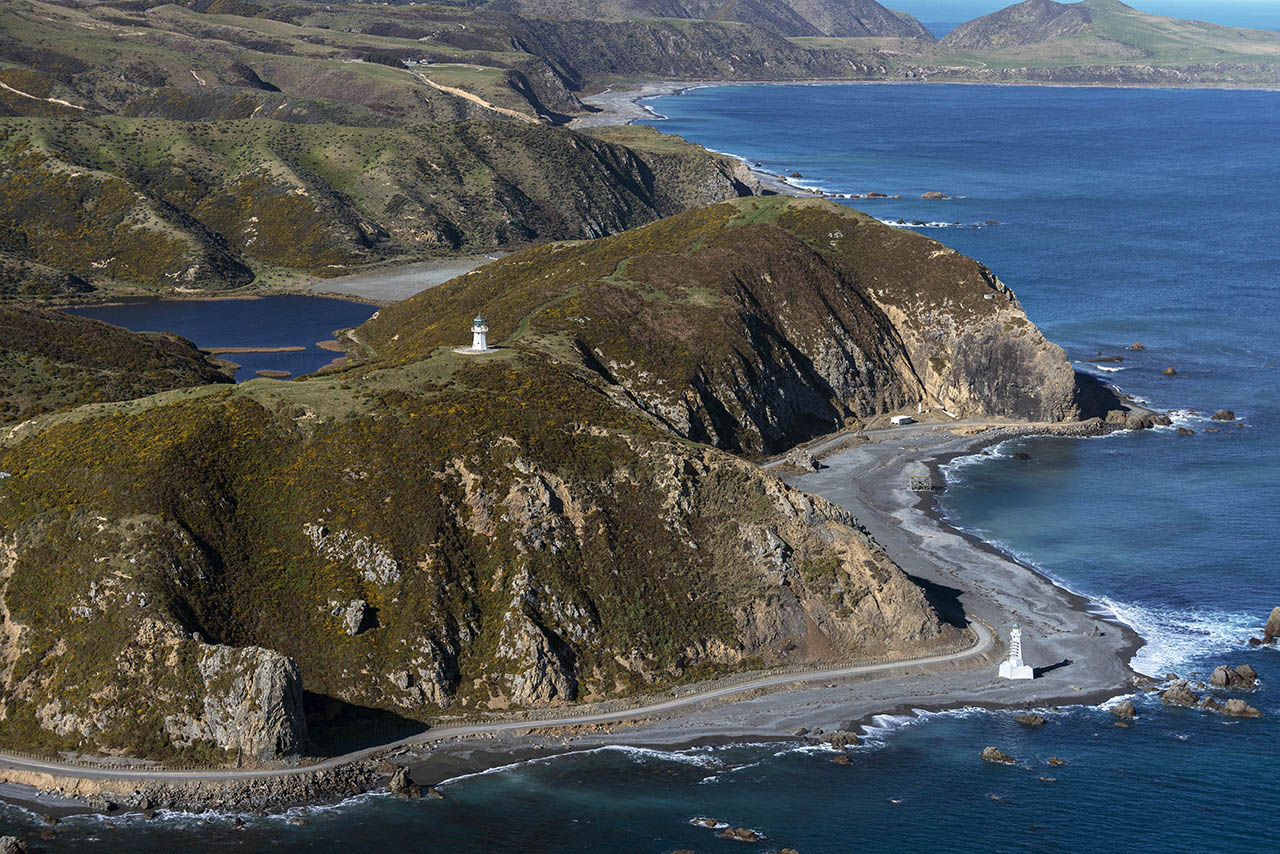
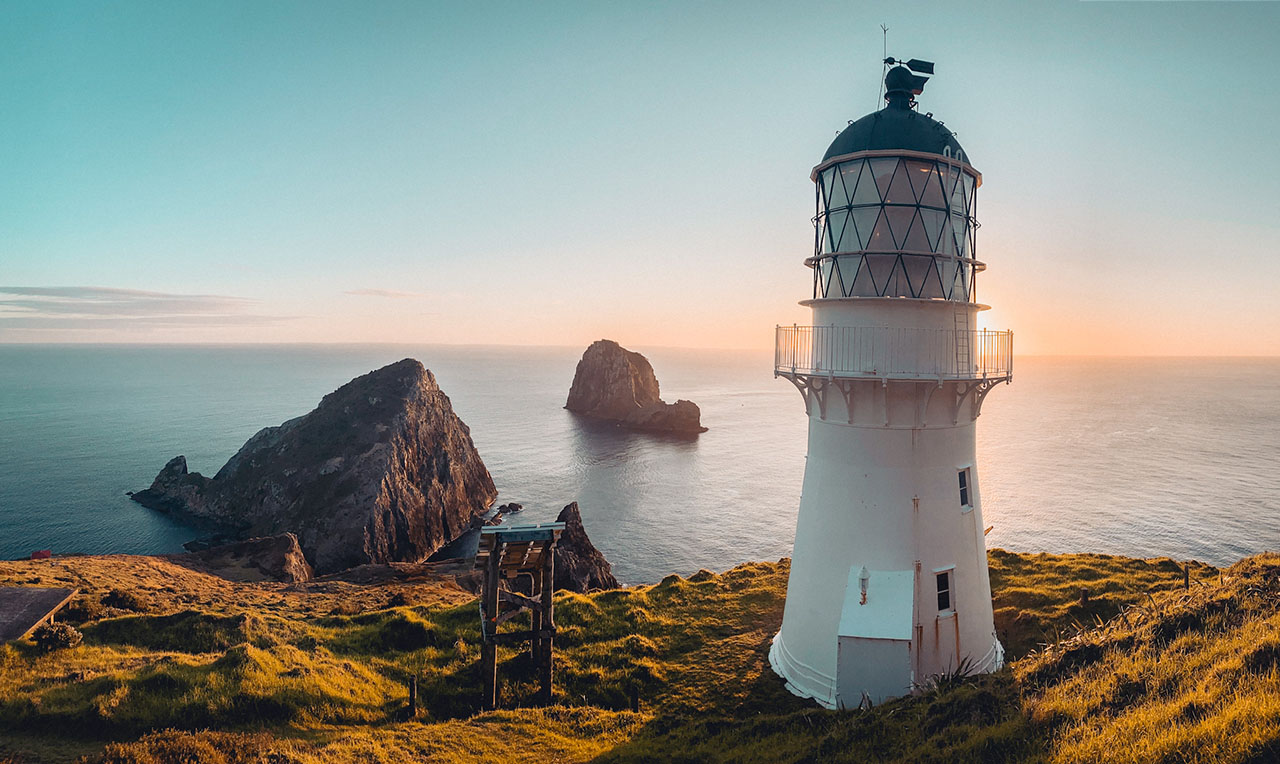
The cast iron Pencarrow Lighthouse was the first permanent lighthouse to be built in New Zealand. It is situated on a strategic promontory at the entrance to Wellington Harbour, once occupied by Maori. As shipping increased during the 1840s, many vessels, unfamiliar with the hazards of the harbour, foundered on the rocks at the entrance. Although several attempts were made to construct some sort of beacon to assist shipping, it was not until 1851, under the direction of Governor Sir George Grey, that plans were made to build a permanent structure.
Following the establishment of provincial government in 1853, the task of constructing the new lighthouse fell to the Wellington Provincial Council. The lighthouse was designed by Edward Roberts, who had been sent to New Zealand in 1847 to assist with the construction and maintenance of military works, and was then seconded as Colonial Engineer. The lighthouse sections were cast in England by the Woodside Ironworks, Dudley, and arrived in New Zealand in June 1858. They were assembled on site by Edward George Wright, who had been especially sent out from England for this task. On 1 January 1859 the lighthouse shone for the first time, amid great celebration. In charge of running the lighthouse was Mary Jane Bennett, the wife of the previous keeper, George White Bennett, who had drowned in the harbour in June 1855 when the pilot boat capsized. In 1863 the lighthouse came under the direction of the Marine Department. It remained operational until 18 June 1935, when it was replaced by an automated light erected at Baring Head east of Pencarrow. The Pencarrow lighthouse was offered to the New Zealand Historic Places Trust in 1966, and the Trust has maintained the building ever since. It is now a popular destination for hikers and bikers, and is surrounded by a recreational reserve.
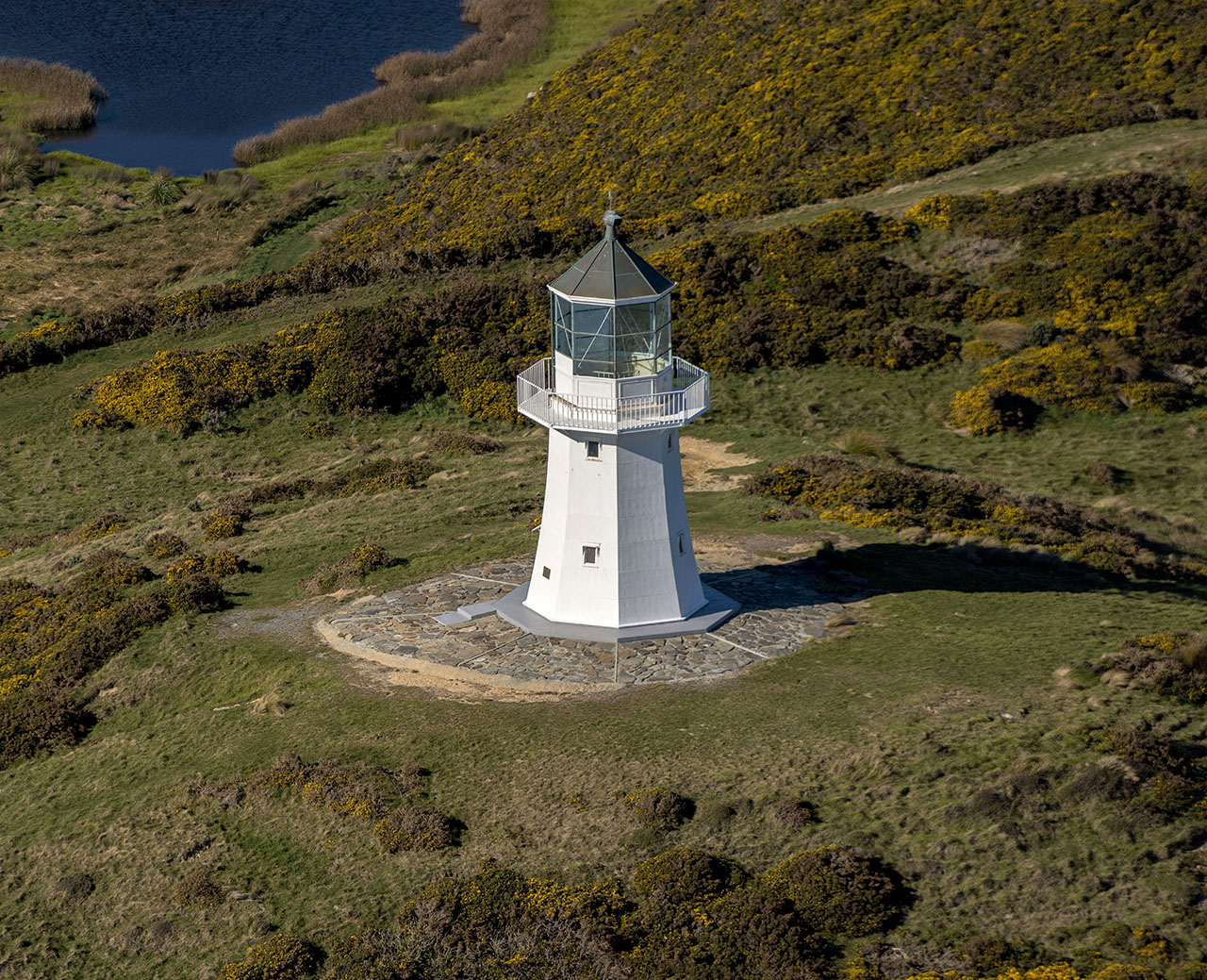
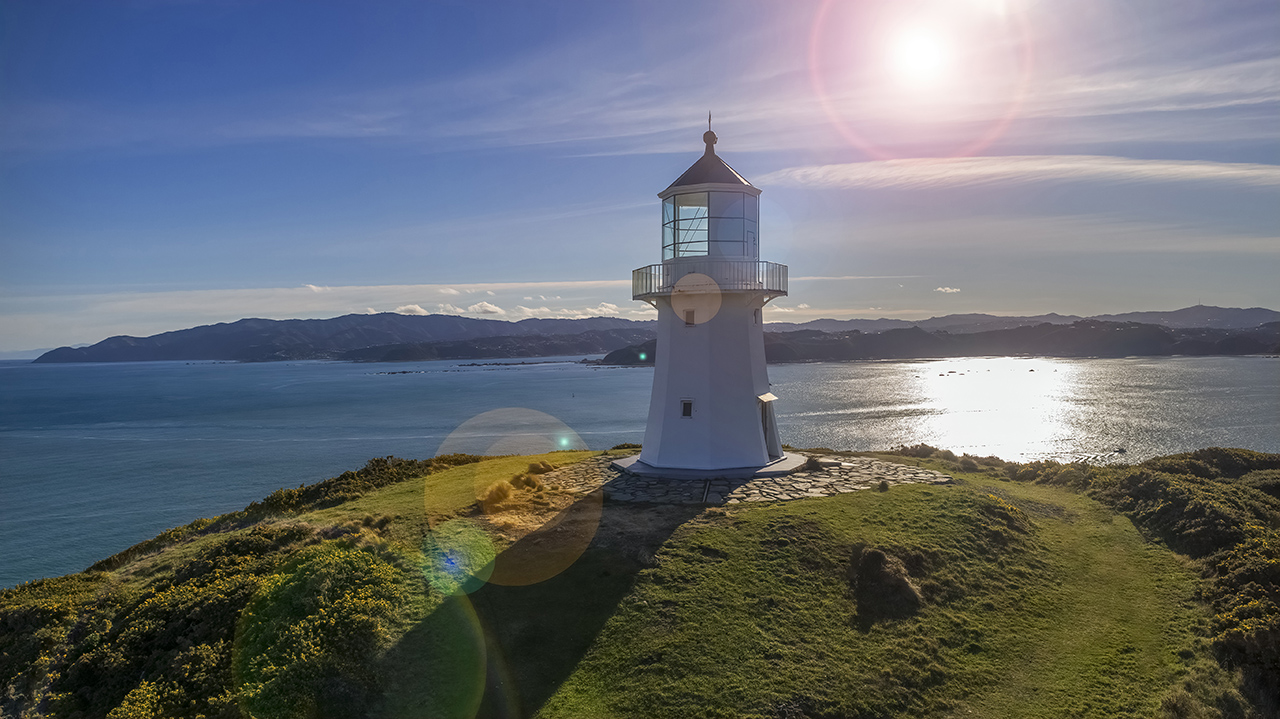
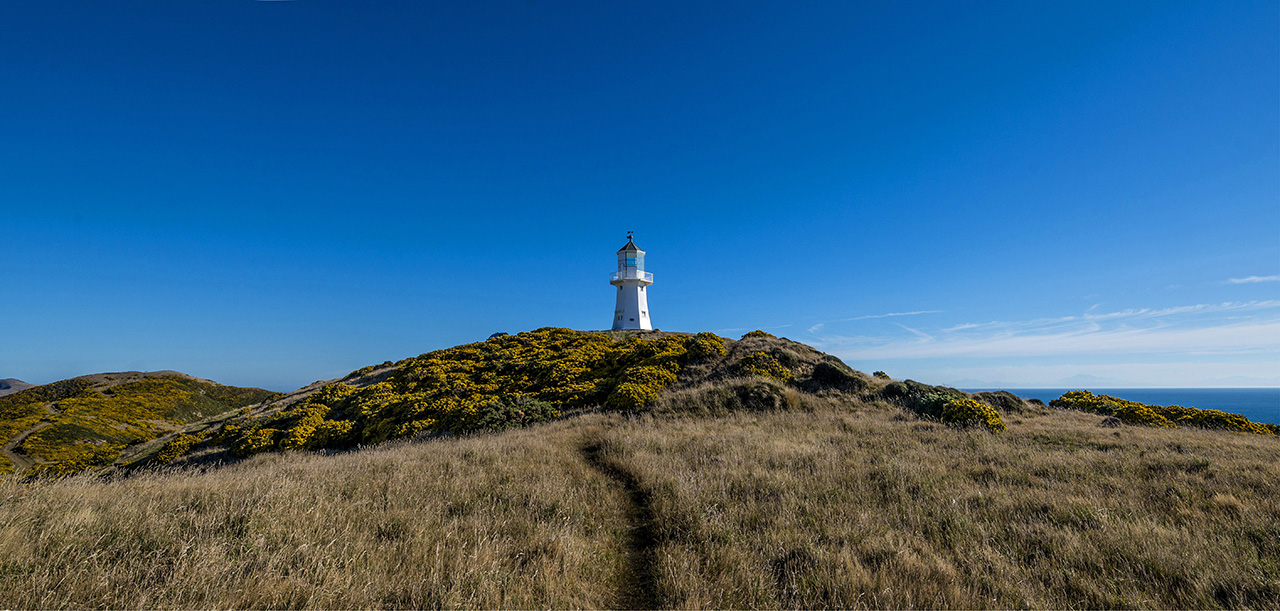
The lighthouse is an octagonal tapering cast-iron tower 11.5m high, with a continuous parapet below the tall lantern windows. The pointed top of the tower is capped by a weathervane. Small windows with very thick glass light the internal circular staircase. The lantern mechanism has been removed and [was shipped to the lighthouse at Godley Head].
The Pencarrow Lighthouse is of great heritage significance as it was the first permanent lighthouse to be built in New Zealand. It is a reminder of the importance of the maritime transport to the early settlement of Wellington and the hazards faced by shipping entering Wellington Harbour. It was, for a time, operated by New Zealand's first and only woman lighthouse keeper, Mary Jane Bennett. It is one of the few remaining substantial structures erected by the Wellington Provincial Council, a political body that exerted its influence on the Wellington region from 1853 to 1876.
Following the establishment of provincial government in 1853, the task of constructing the new lighthouse fell to the Wellington Provincial Council. The lighthouse was designed by Edward Roberts, who had been sent to New Zealand in 1847 to assist with the construction and maintenance of military works, and was then seconded as Colonial Engineer. The lighthouse sections were cast in England by the Woodside Ironworks, Dudley, and arrived in New Zealand in June 1858. They were assembled on site by Edward George Wright, who had been especially sent out from England for this task. On 1 January 1859 the lighthouse shone for the first time, amid great celebration. In charge of running the lighthouse was Mary Jane Bennett, the wife of the previous keeper, George White Bennett, who had drowned in the harbour in June 1855 when the pilot boat capsized. In 1863 the lighthouse came under the direction of the Marine Department. It remained operational until 18 June 1935, when it was replaced by an automated light erected at Baring Head east of Pencarrow. The Pencarrow lighthouse was offered to the New Zealand Historic Places Trust in 1966, and the Trust has maintained the building ever since. It is now a popular destination for hikers and bikers, and is surrounded by a recreational reserve.
The lighthouse is an octagonal tapering cast-iron tower 11.5m high, with a continuous parapet below the tall lantern windows. The pointed top of the tower is capped by a weathervane. Small windows with very thick glass light the internal circular staircase. The lantern mechanism has been removed and [was shipped to the lighthouse at Godley Head].
The Pencarrow Lighthouse is of great heritage significance as it was the first permanent lighthouse to be built in New Zealand. It is a reminder of the importance of the maritime transport to the early settlement of Wellington and the hazards faced by shipping entering Wellington Harbour. It was, for a time, operated by New Zealand's first and only woman lighthouse keeper, Mary Jane Bennett. It is one of the few remaining substantial structures erected by the Wellington Provincial Council, a political body that exerted its influence on the Wellington region from 1853 to 1876.